Carpet Stain Removal in Bismarck, ND
Targeted Solutions for Stubborn Spots & Everyday Spills
From coffee and food spills to grease marks and tracked-in residue, different stains call for different approaches. We focus on identifying the problem and applying suitable methods to help improve the appearance of affected fibers, with realistic expectations based on their condition.
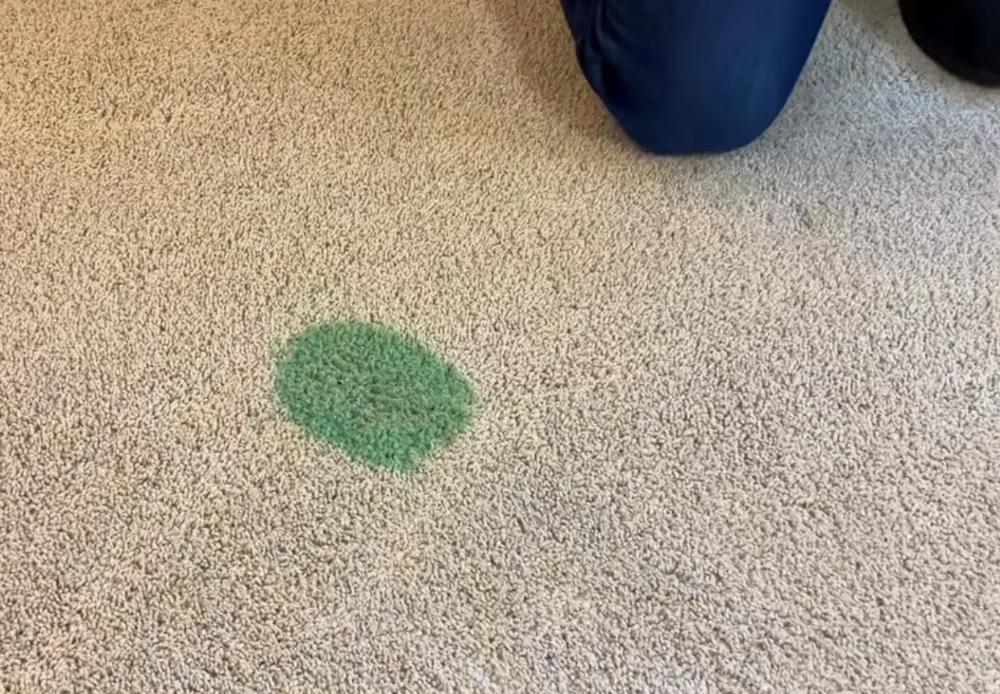
At a glance: This page explains what to expect when dealing with stubborn stains, including how the removal process works, preparing for an appointment, caring for the affected surfaces afterward, and answers to common questions.
Why Different Stains Need Different Approaches
Not every visible mark responds to the same method. The substance involved, its interaction with carpet fibers, and any changes to the material can influence what is possible and which approach is appropriate.
Stain Composition Matters
Water-based spills, oily substances, and colored residues interact differently with fibers. Identifying the likely source helps determine which removal technique may be suitable.
Age and Previous Products
Older marks may be harder to improve, especially after repeated household applications. Some products can leave residue or alter dyes, affecting how the material responds.
Stains vs. Permanent Discoloration
Some visible marks result from fading, chemical damage, or worn fibers rather than removable deposits. These changes may remain even after professional care.
Common Carpet Problems
Everyday activities can leave noticeable marks on floors at home or work. Here are some common situations where professional attention may help.
Food & Drink Spills
Coffee, tea, juice, and sauces can leave noticeable marks on dining room floors, living spaces, or office carpets. Some spills may also leave sticky residue after the surface dries.
Grease & Oily Marks
Cooking oils, food grease, and other oily substances can leave dark patches near dining spaces or busy workstations. These marks may remain noticeable after ordinary vacuuming.
Tracked-In Winter Residue
During Bismarck winters, snow, slush, and road salt can be carried indoors on shoes. Entryways and hallways may develop white marks, gritty buildup, or discolored traffic lanes.
Ink & Dye Marks
Pen ink, craft materials, and color transfer from fabrics can leave noticeable discoloration. Some pigments may become difficult to remove once they settle into the fibers.
How to Prepare for Your Appointment
A few simple steps before your appointment can help make the visit more efficient and ensure important details are not overlooked.
Identify Problem Spots
Point out visible stains, recurring marks, or other spots that need attention. Include any locations that may be difficult to notice at first glance.
Share What Caused the Stain
If possible, explain what caused the mark and approximately when it happened. Even limited details can help clarify the situation.
Mention Products Already Used
Let us know if you have applied a household stain remover, detergent, or another solution. This information helps avoid unsuitable product combinations.
Keep the Space Accessible
Move small items and fragile belongings out of the way where practical. Confirm any furniture-moving arrangements before the appointment.
Our Five-Step Cleaning Process
Our approach follows five practical steps, from identifying the problem to selecting suitable methods, removing loosened residue, and reviewing the results. Each stage considers the material’s condition and the nature of the mark.
Identify the Stain Source
We examine the visible mark and consider what may have caused it. Understanding the likely substance helps determine the next step.
Check Fiber Condition & Compatibility
We assess the material, existing wear, and any products previously applied. This helps identify potential risks before choosing a suitable solution.
Apply a Suitable Spot Solution
A compatible product may be applied to help loosen the mark. The choice depends on the stain type, fiber characteristics, and condition.
Remove Loosened Residue
Where appropriate, controlled extraction helps lift loosened deposits from the fibers. Moisture is carefully managed to reduce the risk of overwetting.
Review the Final Appearance
We check the result once the initial work is complete and explain any remaining marks or limitations. Drying instructions are provided before the visit ends.
What Results Can You Expect?
Professional methods can improve many visible stains, but results vary with the substance involved, its age, and the condition of the fibers. Permanent discoloration, fading, or damage may remain even after thorough attention. Complete removal cannot be guaranteed.
Drying & Aftercare: What to Do Next
A few simple precautions can help protect your carpet after the appointment. Follow the instructions provided and allow enough time before returning to normal use.
Allow Enough Time to Dry
Improve airflow with fans or ventilation where appropriate. Drying time varies with humidity, fiber thickness, and moisture levels, so avoid assuming a fixed number of hours.
Limit Foot Traffic While Damp
Avoid unnecessary walking on damp surfaces to help prevent new marks or tracked-in debris. Resume normal activity once the carpet is sufficiently dry and any product-specific instructions allow it.
Check for Remaining Marks
Once everything has dried, check whether discoloration or visible residue remains. Note any changes so they can be discussed if further attention is needed.
Ask Before Using Additional Products
If a mark persists, contact us before applying another stain remover or household solution. Mixing products without knowing their compatibility may affect the fibers or complicate further work.
Frequently Asked Questions
Find answers about stubborn marks, older spills, household products, drying times, and what results you can realistically expect.
Can all carpet stains be completely removed?
No. Professional methods can improve many stains, but complete removal depends on the substance involved, its age, fiber condition, and previous cleaning attempts. Permanent discoloration or damage may remain.
What types of carpet stains can be treated?
Common examples include coffee, tea, food spills, grease, and tracked-in residue. Ink or dye marks may also be assessed, although some pigments can be difficult or impossible to remove. The suitable method depends on the material and stain type.
How do you remove nail varnish from carpet?
Carefully blot any fresh nail varnish without rubbing or spreading it. Once dried, avoid scraping aggressively or applying acetone-based nail polish remover, as solvents can damage carpet fibers, backing, or dyes. Nail varnish stains can be difficult to remove, so professional assessment is recommended before using chemical products.
Should I use a household stain remover before professional cleaning?
If you plan to hire a professional, ask before applying additional products. Some solutions can affect carpet dyes or leave residue. Never mix household chemicals, and share what you have already used during the appointment.
How do you remove mustard stains from carpet?
Remove any excess mustard carefully with a spoon, without spreading it. Blot the spot gently with a clean cloth and avoid rubbing or using hot water. Mustard contains pigments, including turmeric, that can leave stubborn discoloration. If the mark remains, professional stain removal may help, although complete removal is not always possible.
How do you get red wine out of carpet?
Blot fresh red wine spills immediately with a clean, absorbent cloth, working from the outside toward the center without rubbing. Avoid hot water, harsh chemicals, or excessive moisture, which may spread the stain or damage the carpet. If discoloration remains, professional stain removal may help, depending on the carpet fibers and how long the spill has been there.
Ready to Refresh Your Carpet?
Dealing with stubborn marks or spills that won’t come out? Tell us what you’ve noticed and request a free quote based on your needs.