Steam Carpet Cleaning in Bismarck
Hot Water Extraction, Explained
Steam cleaning is the everyday name for hot water extraction. A cleaning solution and hot water loosen the soil in your carpet, then the machine draws it back out with the water. It isn’t the right choice for every carpet, so this page explains how it works, when it suits, and what drying looks like.
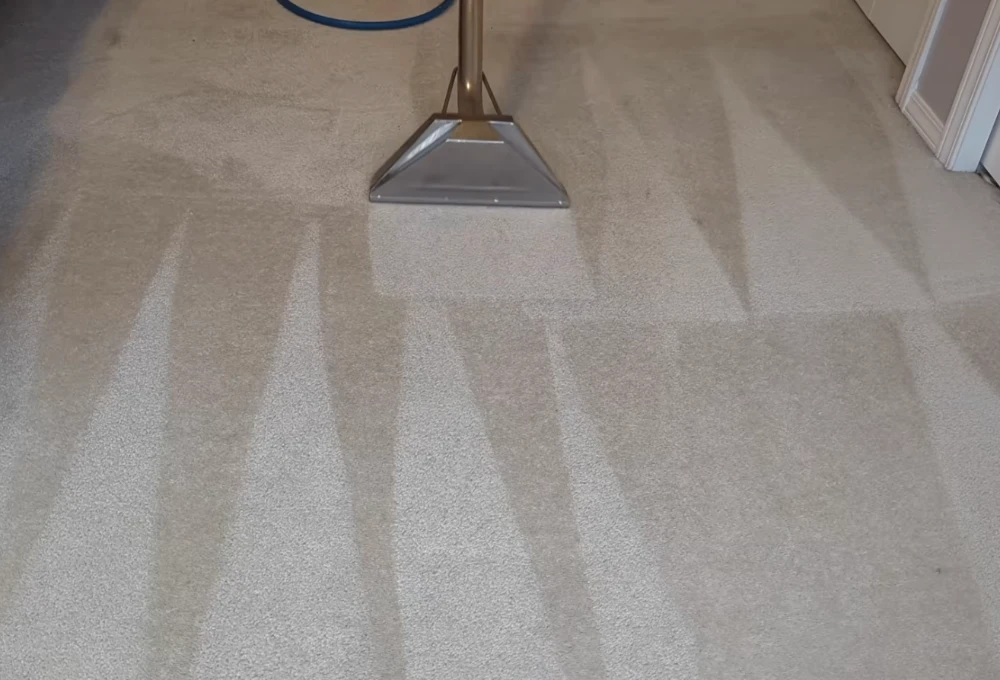
At a glance: this page explains how the method works, when it suits a carpet and when another approach may be better, how to get ready, and what to expect while it dries.
The Method, Step by Step
Here is what happens from the initial inspection to the final extraction. The exact steps may vary depending on the material, soil level, and overall condition.
We Check the Carpet First
We look at the fibers, assess how heavily soiled the surface is, and check what has been used on it before. If we’re unsure how the material will react, we test the method on a small hidden area first.
We Vacuum Out the Dry Soil
Loose grit and dirt are easiest to remove before any water is used, so we vacuum thoroughly first. That leaves the wet stage to deal with soil that is actually stuck in the fibers.
We Apply a Cleaning Solution
A solution goes on to loosen the soil before it is rinsed out, with extra attention on the dirtiest areas. We choose the solution and the amount to suit the carpet material. Individual marks can need their own treatment, which is covered on our carpet stain removal page.
Hot Water Extraction
Hot water is applied and drawn straight back out by the machine, carrying the loosened soil with it. We control how much water goes in so the carpet isn’t left wetter than it needs to be.
What happens afterward, including drying time and aftercare guidance, is covered in the drying and aftercare section below.
When Steam Cleaning Is a Good Fit
Hot water extraction works well for many carpets, but not for every situation. Here is when it usually makes sense, and when we recommend a closer inspection before deciding.
Soil That Vacuuming No Longer Lifts
Fine soil settles deep in the fibers over time, and regular vacuuming only reaches the surface. When the material looks dull or feels gritty even after vacuuming, a deeper clean may help remove embedded dirt.
Busy Areas That Look Darker Than the Rest
Hallways, entrances, stairs, and offices collect more soil than quieter rooms. If those spots look noticeably darker than surrounding sections, they may benefit from deeper cleaning.
Spots and Residue Left Behind
Spills, tracked-in dirt, and leftover product can leave patchy marks. Hot water extraction rinses out much of this, though individual marks sometimes need their own treatment. See our carpet stain removal page for more.
When We Look More Closely First
Delicate or moisture-sensitive carpets, as well as areas affected by previous water damage, may not be suitable for hot water extraction. We check the fiber and condition first, and tell you what we recommend before any work begins.
How to Prepare for Your Visit
A few minutes of preparation helps the visit run smoothly. Because hot water extraction uses moisture, here is what we suggest doing before we arrive.
Clear the Floor and Anything That Shouldn’t Get Damp
Move toys, boxes, baskets, and lightweight furniture out of the rooms being cleaned. Keep paper, electronics, and cardboard off the floor, and put fragile items somewhere safe.
Tell Us About Problem Spots and Past Treatments
Point out marks, smells, and darker traffic lanes, and tell us what has been used on the carpet before. Earlier products can react with a cleaning solution, so it helps us choose the right approach.
Confirm Access, Furniture, and Pets
Make sure we can reach every room and staircase on the list. Ask us when you book which furniture we move and which you should, and keep pets in another room while we work.
What to Expect While It Dries
Because the method uses water, your carpet will be damp when we finish. A little care over the first day helps it dry properly and keeps the results looking fresh.
What Affects Drying Time
Drying time varies depending on pile thickness, padding, humidity, room temperature, and airflow. The amount of water used also matters, which is why we control moisture during the process. We’ll explain what to expect for your space.
Keep the Air Moving
Turn on ceiling fans or position a fan to circulate air across the cleaned area. Keep your heating or cooling running, and open a window or door if the weather allows. Moving air carries moisture out of the room, helping the surface dry faster.
How to Tell It’s Dry
Touch the cleaned surface. It should no longer feel cool or damp compared with surrounding areas. For a quick check, press a clean white towel against it for a few seconds. If the towel picks up any moisture, give it more time.
Go Easy Until It’s Dry
Stay off the damp carpet and keep pets away. If you have to cross it, wear clean socks rather than shoes. Wait until it feels dry before putting furniture back or vacuuming. If something has to go back sooner, place clean plastic or foil under its legs.
If a Mark Comes Back
A spot that looked gone can sometimes reappear as the cleaned area dries, because dirt from lower down is drawn up with the moisture. If that happens, note where it is and contact us, and we’ll advise on the next step. Please avoid putting another product on it. For persistent marks, see our spot treatment page.
If It Stays Damp Too Long
If the cleaned area still feels damp well beyond what we told you to expect, or you notice a musty smell, contact us. Carpet that stays wet for too long can develop odors, so it is better to check than to wait.
Questions About the Method
Short answers to what people most often ask. If you’re unsure about your own carpet, ask us when you request a quote.
Is steam cleaning the same as hot water extraction?
In everyday use, yes. Steam cleaning is the common name, but the method uses hot water rather than true steam. Hot water and a cleaning solution loosen the soil, and the machine draws it back out. You can read the full step-by-step in the how it works section.
Is it suitable for every carpet?
No. The right method depends on the carpet’s fiber, how dirty it is, and what has been used on it before, and some delicate carpets suit a gentler approach. That’s why we check the carpet first. The suitability section explains what makes a carpet a good fit.
Does it make the carpet too wet?
The method uses water, so the carpet will be damp afterward, but it shouldn’t be soaked. We control how much water goes in and draw it back out with the machine, which helps the carpet dry properly. We also check the carpet first, because some carpets and the padding beneath them are more sensitive to moisture than others.
How long does carpet take to dry, and when can I walk on it?
Drying time depends on carpet thickness, humidity, airflow, and how much moisture remains after cleaning. Limit foot traffic while the carpet is damp, and wait until it is fully dry before replacing furniture or vacuuming. Follow the technician’s guidance for your particular carpet. For more advice, see the drying section.
Will it remove all stains?
Not always. Many marks improve a lot, but results depend on what caused the mark, how long it has been there, and what has been used on it. No method can promise that every stain will disappear. Individual marks sometimes need their own treatment, which is covered on our carpet stain removal page .
Can I ask what cleaning solution you use?
Yes, please do. We choose the solution to suit the carpet material, and if you have children, pets, or sensitivities, ask us about it before the visit so you can decide with the facts.
Can rugs and upholstery be cleaned the same way?
Sometimes, but it depends on the material. Some rugs and upholstered pieces suit a different method, so each has its own page: area rug cleaning and upholstery cleaning .
Not Sure It Suits Your Carpet?
Tell us about your carpet and the areas you have in mind. We’ll let you know whether this method fits or whether another approach would suit it better, and give you a free quote.