
Carpet Stain Removal in Bismarck, ND
Targeted Care for Spills, Marks & Visible Carpet Spots
Carpet stains can come from food, drinks, tracked-in soil, grease, residue, and other everyday accidents. The right approach should consider what caused the mark, how long it has been present, the carpet condition, and whether any cleaning products have already been used.
Serving homes and businesses in Bismarck, North Dakota
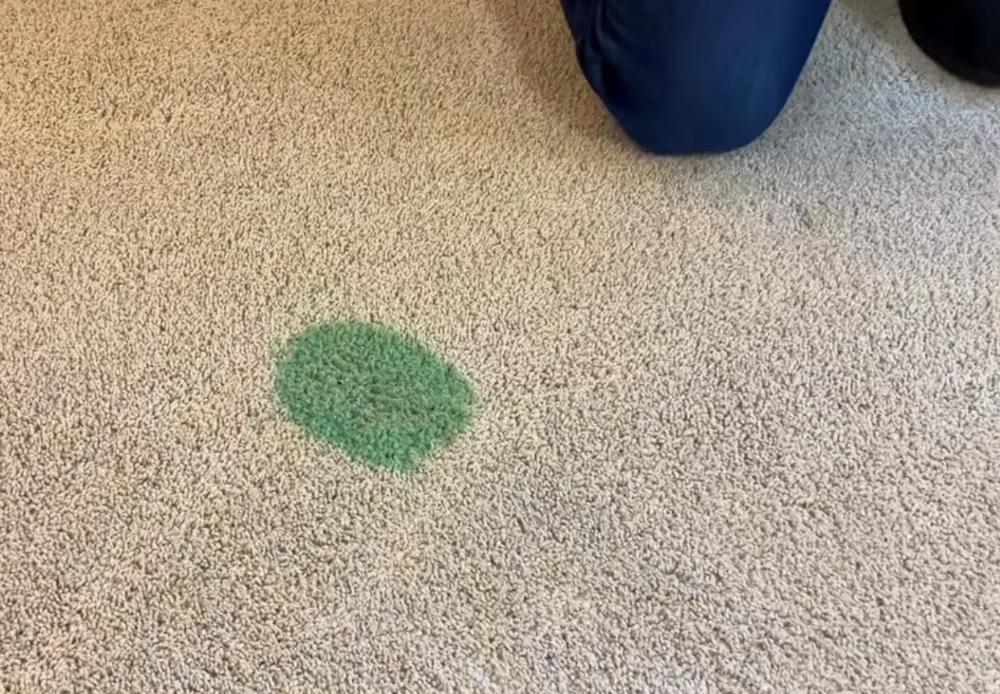
Stain-focused carpet care in Bismarck: targeted cleaning options for food spills, drink marks, grease, tracked-in residue, and other visible carpet spots, with the approach based on the stain type, age, carpet condition, and any products previously used.
Why Carpet Stains Need Individual Attention
Visible carpet stains can come from different sources, and one treatment approach may not suit every spot. Looking at what caused the mark, how long it has been present, the carpet condition, and any previous cleaning attempts helps guide the next step.
The Stain Source Matters
Food, drinks, grease, tracked-in soil, and other residues can behave differently in carpet fibers. Knowing or identifying the likely source can help with the initial assessment of the affected area.
Older Spots May Respond Differently
A fresh spill and an older stain may not behave the same way. Time, previous cleaning attempts, and the condition of the affected fibers can influence how the spot responds when treatment is considered.
Previous Products Can Change the Situation
Household stain removers, detergents, or other cleaners may leave residue or alter the appearance of a spot. Mentioning what has already been used helps the service provider avoid making assumptions about the affected area.
Discoloration Is Not Always Removable Soil
Some marks that look like stains may involve fading, wear, fiber damage, or another change in the carpet rather than removable residue. Assessing the carpet first helps set more realistic expectations.
Common Carpet Stain Situations
Carpet stains can come from everyday spills, tracked-in residue, food, drinks, grease, and other common accidents. The appearance and condition of each spot can vary depending on what caused it, how long it has been there, and what has already been used on the area.
Food & Drink Spills
Coffee, tea, juice, sauces, and other food or drink spills can leave visible marks or residue. The affected area should be assessed based on the type of spill, how long it has been present, and the current condition of the carpet.
Grease & Oily Marks
Grease, cooking residue, or oily substances can leave darker-looking spots that may behave differently from water-based spills. The source, age, and condition of the mark can matter when deciding how it should be approached.
Tracked-In Dirt & Residue
Entryways, hallways, and other busy carpeted areas can develop marks from soil, moisture, salt, or other residue brought in from outside. During Bismarck winters, these areas may receive additional exposure to tracked-in slush and salt.
Older or Previously Treated Stains
A stain that has been present for a longer period, or one already treated with household products, may respond differently from a recent spill. Previous cleaning attempts should be mentioned before additional treatment is considered.
Preparing for Carpet Stain Treatment
A little preparation can help make the stain treatment visit easier to manage. Point out the affected areas, share what caused the marks if known, mention any products already used, and keep the surrounding carpet accessible.
Point Out Every Stain or Problem Area
Show the technician any food spills, drink marks, grease spots, tracked-in residue, or other visible concerns. Mentioning all known areas helps provide a clearer picture before treatment begins.
Share What Caused the Mark, If Known
If you know what caused a stain, share that information. The source, age, and history of the mark can be useful when the affected carpet is assessed.
Mention Previous Cleaning Products
Let the service provider know if a household stain remover, detergent, carpet cleaner, or another product has already been used. Previous treatments can affect how the area looks and how the next step is considered.
Keep the Affected Area Accessible
Move small items, toys, baskets, or other lightweight objects away from the immediate area where practical. Any expectations about moving larger furniture should be confirmed with the service provider rather than assumed.
What to Expect During a Carpet Stain Treatment Visit
Knowing what to expect can make the visit easier to plan. The process should begin with reviewing the affected carpet, continue with an approach based on the stain and carpet condition, and finish with relevant after-care guidance.
Before Treatment Begins
Point out the stains or marks that need attention and share what caused them if known. Mention how long the spots have been present and any household cleaners, detergents, or stain removers already used on the carpet.
While the Stain Is Being Treated
Keep the surrounding area clear so the affected carpet can be accessed easily. The exact approach may vary depending on the stain source, age, carpet condition, previous treatments, and how the affected area responds during the process.
Before the Visit Is Finished
Review any after-care instructions before the service ends. This may include guidance about drying, limiting foot traffic, checking the treated area after it dries, and what to do if a mark remains noticeable.
How Professional Carpet Stain Treatment Works
Different stains require different treatment considerations. A coffee spill, an oily mark, and tracked-in residue may not respond to the same approach. Identifying the likely stain source and assessing the carpet condition helps determine a suitable next step.
Identify the Stain Source
The first step is understanding what may have caused the mark. Coffee, tea, food spills, grease, and tracked-in residue can behave differently. The stain’s age and history also matter.
Inspect Carpet Fibers & Previous Treatments
The affected area is assessed for carpet material, visible discoloration, fiber wear, and products previously applied. This helps distinguish removable residue from possible permanent changes to the carpet.
Select a Suitable Spot Treatment
A treatment is selected according to the likely stain source, carpet compatibility, and condition of the affected area. Individual pre-treatment may be considered before broader cleaning or extraction.
Treat & Extract Residue Where Appropriate
Depending on the stain and carpet condition, targeted cleaning may help loosen residue. Suitable extraction or removal techniques can then be considered while avoiding unnecessary moisture in the carpet.
Review the Treated Area & Aftercare
After treatment, the area can be reviewed for remaining marks. Drying guidance and any relevant follow-up steps should be discussed based on the carpet condition and treatment performed.
Can Every Carpet Stain Be Removed?
Not every visible mark is removable soil. Some stains may improve with appropriate treatment, while other marks involve permanent changes to carpet color or fibers.
Fresh Food & Drink Spills
Recent spills may respond to suitable treatment, depending on the substance, carpet material, and actions already taken after the spill.
Older or Set-In Marks
Stains that have remained for longer periods may be harder to improve. Previous products and changes within the fibers can affect the final result.
Grease & Oily Residue
Oily spots may need a different treatment approach from water-based spills. The appropriate method depends on carpet compatibility and the condition of the mark.
Permanent Discoloration & Wear
Fading, chemical damage, and worn fibers may create marks that cleaning cannot reverse. These conditions should be distinguished from removable staining.
What Results Can You Expect?
Professional carpet stain treatment may improve visible spots and remove some types of residue, but results depend on stain source, age, carpet material, previous cleaning products, and overall fiber condition. Some permanent discoloration or damage may remain after treatment. Complete stain removal cannot be guaranteed in every situation.
After Treatment: Drying & Monitoring Treated Stains
After stain treatment, the affected carpet may need time to dry before normal use resumes. Drying can vary depending on the carpet, the size of the treated area, airflow, humidity, and the treatment approach used.
Allow the Treated Area to Dry
Keep the treated carpet in conditions that support drying and follow any guidance provided after the visit. Avoid assuming one fixed drying time because different areas and treatment conditions can dry at different rates.
Limit Foot Traffic While Damp
Where practical, keep unnecessary foot traffic away from the treated area while it is still damp. Follow the after-care guidance provided before returning the carpeted area to normal use.
Check the Stain After Drying
Once the carpet has dried, review the treated area again. Some marks may look different after drying, so note whether discoloration, residue, or another visible concern remains noticeable.
Ask Before Applying Another Product
If the mark is still noticeable, contact the service provider before applying another stain remover, detergent, or household cleaner. Layering products without knowing what was previously used can make further treatment more difficult to assess.
Carpet Stain Removal FAQs
Get answers to common questions about carpet stains, treatment preparation, drying, older spots, and what to expect after the affected area has been treated.
Can all carpet stains be completely removed?
No. Results can vary depending on what caused the stain, how long it has been present, the condition of the carpet fibers, products previously used, and whether the mark involves removable residue or another type of discoloration. Complete removal cannot be guaranteed in every case.
What types of carpet stains can be treated?
Food spills, drink marks, grease, tracked-in residue, and other visible carpet spots can be assessed for treatment. The appropriate approach can vary depending on the source of the stain, its age, and the condition of the affected carpet.
Are older carpet stains harder to remove?
Older marks can respond differently from fresh spills. The amount of time the stain has been present, previous cleaning attempts, and the condition of the carpet fibers can all influence how the affected area responds to treatment.
Should I use a household stain remover before professional treatment?
If professional treatment is planned, it can be useful to ask the service provider before applying another stain remover, detergent, or carpet cleaner. Products already used on the spot may affect the appearance of the area and how it should be assessed.
What should I do before a carpet stain treatment visit?
Point out all known stains, share what caused the marks if known, mention any cleaning products already used, and keep the surrounding carpet accessible. Small items can be moved away from the immediate treatment area where practical.
How long does treated carpet take to dry?
Drying time can vary depending on the carpet, the size of the treated area, airflow, humidity, and the treatment approach used. Follow the after-care guidance provided rather than assuming one fixed drying time.
What if the stain is still visible after the carpet dries?
Review the treated area once the carpet is dry. If discoloration, residue, or another visible mark remains, contact the service provider for guidance before applying another household cleaner or stain remover.
How are heavily soiled carpets cleaned?
Heavily soiled carpet should first be assessed for overall condition, soil buildup, and individual problem areas. The cleaning approach can vary based on the carpet and level of buildup, while visible stains may need separate attention from the broader cleaning process.
Request a Quote for Carpet Stain Treatment
Have food spills, drink marks, grease spots, tracked-in residue, or other visible stains in your carpet? Tell us what you have noticed and where the affected areas are, and request a quote for service in Bismarck, ND.
Serving homes and businesses in Bismarck, ND.