Area Rug Cleaning in Bismarck, ND
Careful Cleaning for Rugs Used Every Day
Rugs collect tracked-in soil, crumbs, spills, and pet-related residue over time. We look at the rug’s material, backing, and condition first, then choose a cleaning approach to match.
Serving homes and businesses across Bismarck, ND.
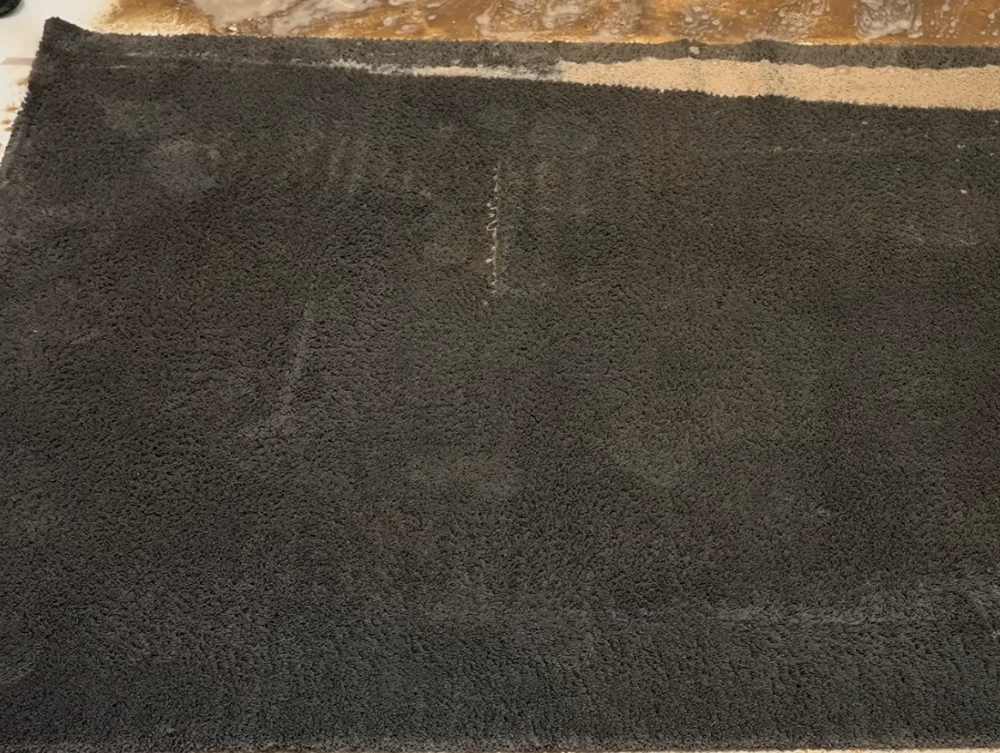
At a glance: we look at a rug’s material, backing, and condition first, then choose a cleaning approach to match. This page covers how we clean rugs, how to prepare, and how to care for the rug while it dries.
How We Clean a Rug
A rug is not cleaned the same way as fitted carpet. Fiber, dyes, backing, and construction all affect what is safe, so we look at the rug before choosing a method.
How the Material Changes the Approach
Synthetic Rugs
Many synthetic rugs handle cleaning well, but the weave, backing, and dye stability still matter. We check these first rather than going by the fiber alone.
Wool Rugs
Wool is sensitive to moisture, harsh products, and heavy agitation. We check the fiber condition and colorfastness before choosing a treatment.
Handmade and Delicate Rugs
Handmade, older, or delicate rugs often have dyes and construction that need extra care. Some are better suited to specialist cleaning, and we will tell you if that applies to yours.
Backing and Construction
Backings, adhesives, and layered construction affect how a rug handles moisture and how long it takes to dry. We consider them before any wet treatment.
The Steps We Follow
We Inspect the Rug
We look at the material, backing, condition, worn areas, and any past treatments, and check dye stability where needed.
We Remove Loose Soil
Where it suits the rug, we remove loose grit and dust first, so the wet stage deals with soil that is actually stuck in the fibers.
We Treat Spots Individually
Food spills, drink marks, and pet-related spots each need their own approach. We choose one based on the spot, the fiber, and any product already used.
We Clean and Guide the Drying
We match the method to the rug, controlling moisture and agitation, then explain how to let it dry. The aftercare section below has the details.
What to expect: cleaning improves soil buildup and many spots. Permanent discoloration, worn fibers, and deeply absorbed odors can remain, and some delicate rugs need specialist assessment.
Every Rug Has Different Needs
Where a rug sits changes how it gets dirty and where we focus. Here are the spots that come up most.
Living Rooms
Soil settles where people sit and walk, so the area around the seating and the main routes across the room usually looks darkest. Dust and fine debris also work down into the pile, which is why a rug can look cleaner than it is.
Dining Areas
Chairs slide in and out at every meal, which works crumbs and dirt into the pile along the table edges. We look at where the soil and wear are heaviest so we know where to spend the most time.
Entryways & Hallways
A rug by the door catches grit and moisture from shoes, and grit left in the fibers wears them down over time. In colder months, salt and slush add to it. For prevention tips, read our winter care guide.
Before We Arrive
A few minutes of preparation lets us spend our time on the rug itself. Here is what we suggest.
Clear the Space Around It
Move small furniture, toys, baskets, and décor away so we can reach every section. Clear anything sitting on top of it too, and put fragile pieces somewhere safe.
Point Out Spots and Past Treatments
Show us stains, pet-related spots, and worn areas. If you know what caused a spot, or have used a stain remover or deodorizer on it, tell us. Earlier products can react with a cleaning solution.
Ask About Moving and Handling
When you book, ask what we move and handle and what you should do yourself, so there are no surprises on the day.
What to Tell Us When You Request a Quote
A few details help us give you a clearer quote:
- How many rugs there are, and roughly how big each one is
- What they are made of, if you know (wool, synthetic, handmade)
- Any spots, pet-related areas, or heavily used sections
- Anything already used on them, such as a stain remover
- Anything we should know about moving or handling them
What Happens During a Rug Cleaning Visit?
A visit has three parts: we check what the rug is made of, we clean it with a method suited to that material, and we go over drying and aftercare with you before we leave.
We Check the Rug First
Before anything is cleaned, we look at the rug’s material, its backing, how worn it is, and whether anything has been used on it before. If we’re unsure how it will react, we test a small hidden area first.
We Clean It the Way the Material Calls For
Wool, handmade, and older rugs are more sensitive than machine-made synthetic rugs, so we match the method and the amount of water to the rug instead of treating every rug the same. We spend extra time where soil has built up the most.
We Go Over Aftercare Before We Leave
We explain how the rug should dry, when it can go back in place, and what to keep an eye on once it is dry. The full details are in the aftercare section below.
How to Look After Your Rug While It Dries
A rug needs to dry completely, with air reaching both sides, before it goes back into regular use. How long that takes depends on the rug’s thickness, its material, and the room, so we’ll tell you what to expect for yours.
Let Air Reach Both Sides
A rug dries fastest when air can move over the top and underneath. If you can, lay it flat on a clean surface or raise it slightly off the floor, and run a fan across it. The underside and any padding take the longest to dry, so don’t judge by the top alone.
Keep It Out of Strong Sun and Direct Heat
Strong sunlight and direct heat can fade colors and stiffen some fibers, especially in wool and other natural materials. Choose a bright, well-aired room over a heater or a sunny window, and keep a damp rug off wood floors and light carpet, where moisture or dye can mark the surface.
How to Tell It’s Dry
Press your hand into the thickest part and feel the underside too. It should feel the same temperature as the room, not cool or damp. A clean white towel pressed on it for a few seconds is a good test: if it picks up any moisture, give the rug more time.
Putting It Back in Place
Wait until the rug and its pad are completely dry before laying it back down or placing furniture on it. A damp rug on a pad or floor can trap moisture, and heavy furniture can leave dents in damp fibers.
If a Mark Comes Back
A spot that looked gone can reappear as the rug dries, because dirt from deeper in the pile is drawn up with the moisture. Note where it is and contact us, and we’ll advise on the next step. Please avoid putting another product on it. For persistent marks, see our spot treatment page.
If It Stays Damp Too Long
If the rug still feels damp well beyond what we told you to expect, or it smells musty, contact us. A rug that stays wet for too long can develop odors, so it is better to check than to wait.
Everyday care: vacuum regularly, using a setting without a beater bar on delicate or fringed rugs, and rotate the rug now and then so wear spreads evenly. Take care not to pull on the fringe.
Common Questions About Your Rug
Short, direct answers to what people ask most. If your rug is unusual, tell us about it when you request a quote.
How often should an area rug be professionally cleaned?
As a general guide, an area rug in regular use benefits from a professional clean about once a year. Entry rugs, rugs in busy family rooms, and rugs in homes with children or pets may need it more often, and rugs that are rarely used can go longer between cleans.
Can every rug be cleaned the same way?
No. The material decides the method. Wool, handmade, and older rugs are more sensitive to water and scrubbing than machine-made synthetic rugs, so we check what the rug is made of first and match the method to it. If we’re unsure how a rug will react, we test a small hidden area before cleaning.
Can a rug be cleaned with hot water extraction (steam cleaning)?
Sometimes. Hot water extraction suits many machine-made synthetic rugs, but wool, handmade, and delicate rugs can be sensitive to water, so we may choose a gentler method for them. You can read how the hot water method works and when it isn’t the right choice.
Will cleaning fade or damage my rug?
It shouldn’t when the method suits the rug, which is why we check the material first. Rugs that are already worn, faded, or have colors that may run carry more risk, and cleaning cannot reverse wear or fading that is already there.
How long does a rug take to dry, and when can I put it back?
It depends on the rug’s thickness, its material, and the room, so there isn’t one time that fits every rug, and we’ll tell you what to expect for yours. A rug is dry when the underside feels the same temperature as the room and a clean white towel pressed on it picks up no moisture. Wait until it is completely dry before laying it back or placing furniture on it. More tips are in the aftercare section.
Will cleaning remove stains from a rug?
Often it improves them, but complete removal
Request Your Free Quote
Have a rug with visible marks, everyday buildup, or pet-related concerns? Share its condition and specific needs to receive a personalized quote in Bismarck, ND.