
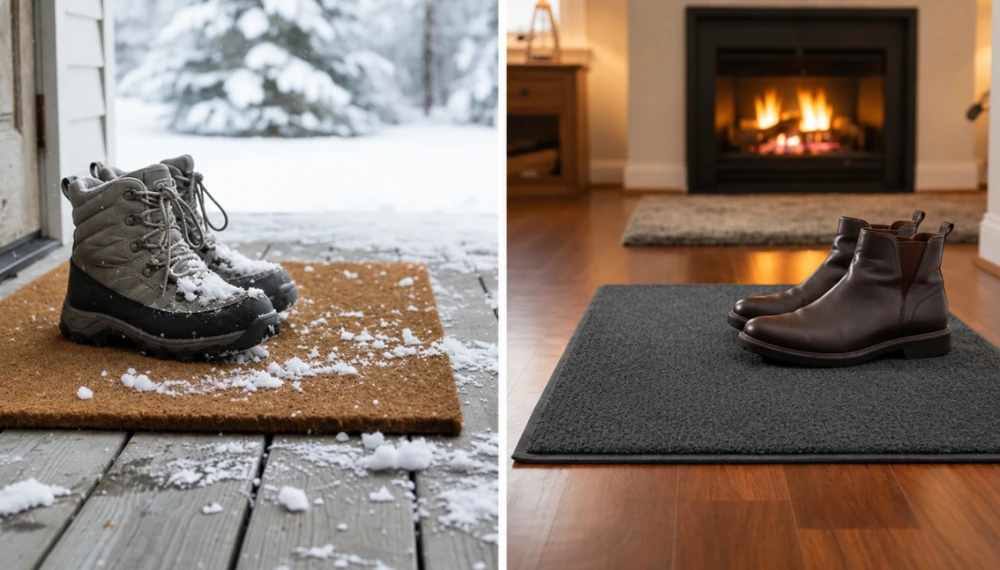
How to Protect Carpets From Snow, Salt & Mud During Bismarck Winters
Winter carpet care in Bismarck starts with managing snow, road salt, slush, and tracked-in dirt. During the colder months, these materials can enter homes through footwear, especially around entrances, hallways, and other frequently used carpeted areas.
As moisture dries, it may leave behind visible residue, while repeated foot traffic can push dirt deeper into carpet fibers.
The good news is that a few simple habits can help protect your carpets throughout the colder months.
Why Winter Weather Is Hard on Carpets
Winter carpet problems usually involve a combination of moisture, soil, and repeated foot traffic.
Road salt and deicing residue: Materials carried indoors on footwear can leave white or dull-looking marks as moisture evaporates. Some residue may remain within carpet fibers even after the surface appears dry.
Snow and slush: Melting snow can dampen carpeted entrances and nearby walkways. If moisture remains trapped, drying may take longer, particularly in areas with limited airflow.
Sand and gritty dirt: Small particles tracked in from sidewalks, driveways, and parking areas can settle into carpet fibers. Repeated walking over gritty soil may contribute to fiber wear.
Heavy winter foot traffic: Entrances, stairs, and hallways often collect more winter debris than less-used rooms because people repeatedly travel through the same areas.
Understanding these problems makes it easier to choose the right prevention and maintenance routine.
7 Practical Ways to Protect Your Carpet in Winter
1. Use Two Entry Mats to Catch Snow and Dirt
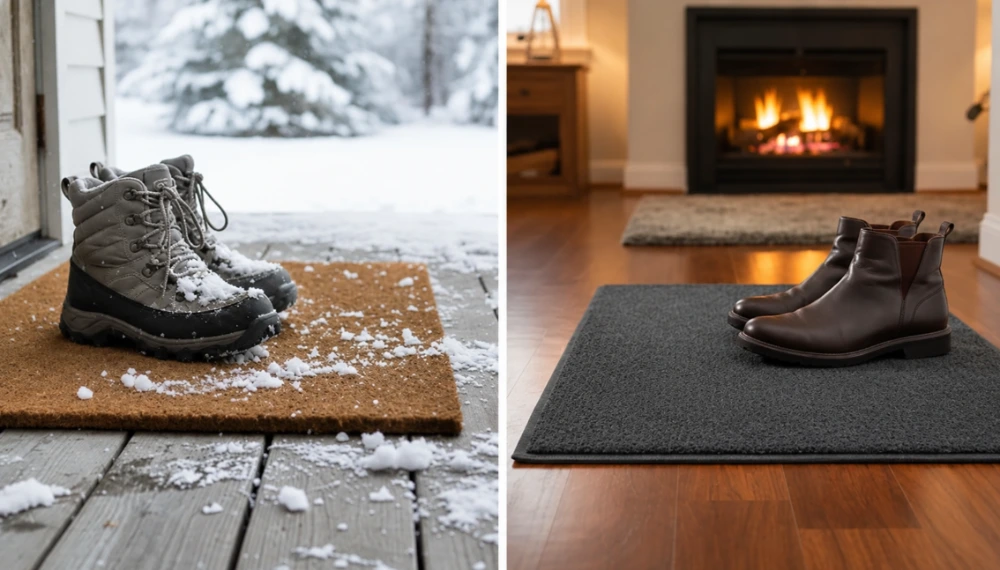
One of the easiest ways to reduce winter carpet buildup is to stop dirt before it reaches the carpet.
Place a durable scraping mat outside the entrance to help remove snow and grit from footwear. Inside the doorway, use an absorbent mat to collect remaining moisture.
Choose mats that are suitable for the floor underneath, and clean or dry them regularly.
Why it matters: A two-mat setup reduces the amount of moisture and loose debris carried toward carpeted rooms.
2. Create a Dedicated Space for Wet Boots and Shoes
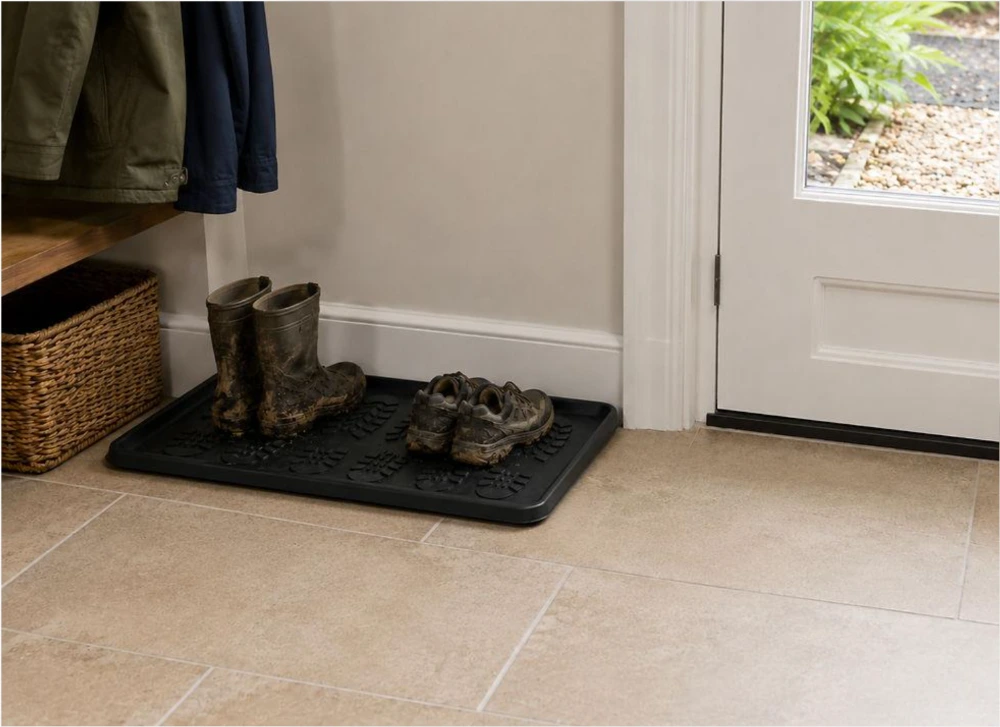
Winter footwear can carry snow, salt, sand, and mud directly into the home.
Set up a shoe-removal area near the entrance with a waterproof boot tray. Encourage family members and visitors to remove wet footwear before walking across carpeted areas.
Keep the tray clean and empty accumulated water when needed.
Why it matters: Keeping wet boots off the carpet helps prevent avoidable moisture exposure and tracked-in residue.
3. Vacuum High-Traffic Areas Regularly

Winter soil often collects around entrances, hallways, stairs, and frequently used living spaces.
Vacuum these areas regularly, paying attention to visible grit and traffic lanes. Use a vacuum setting appropriate for the carpet material and pile height.
Where practical, make slow, overlapping passes rather than quickly moving across the surface.
Why it matters: Removing loose dry soil before it becomes embedded can reduce buildup and help limit abrasive wear
For additional carpet maintenance guidance, visit the Carpet and Rug Institute’s carpet care resources.
4. Blot Fresh Moisture Instead of Rubbing
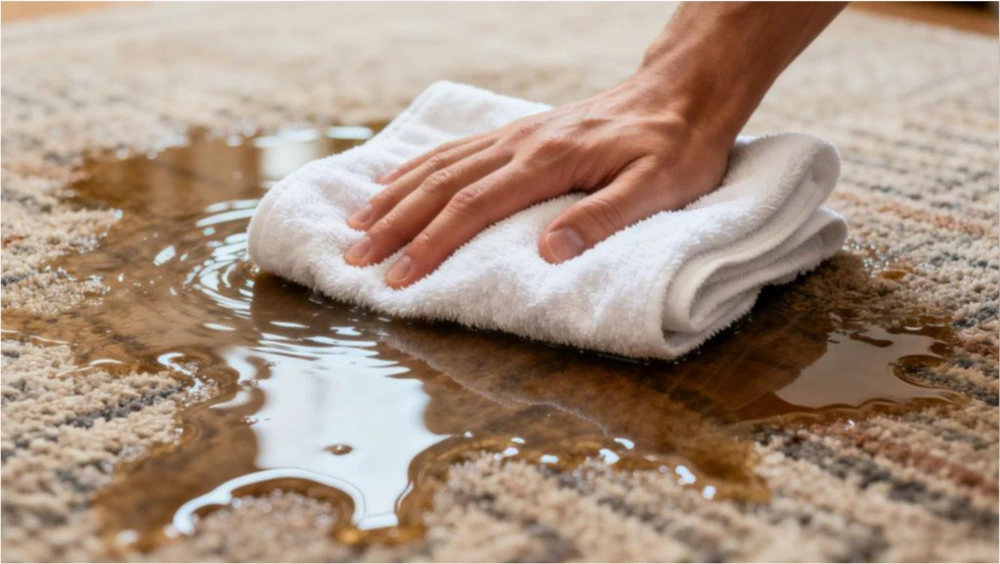
When melting snow or slush reaches the carpet, address the moisture promptly.
Use a clean, absorbent towel to blot the damp area gently. Avoid aggressive rubbing, which may spread soil or disturb carpet fibers.
If loose grit is present, remove it carefully using a suitable method before further spot cleaning.
Why it matters: Prompt moisture removal helps limit how far water spreads and supports more efficient drying.
5. Give Entrances and Hallways Extra Attention
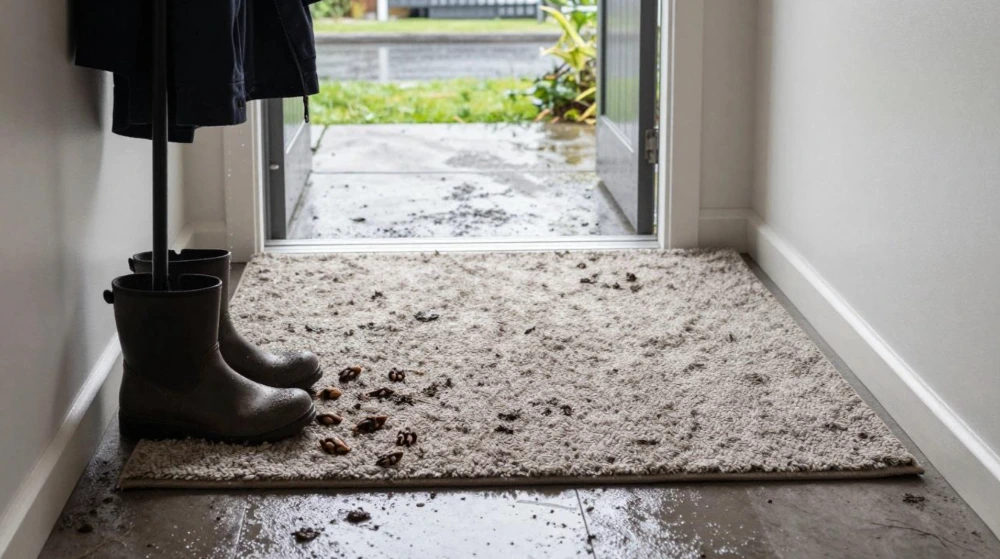
Not every carpeted room experiences the same winter conditions.
Carpet near exterior doors, connecting hallways, and stairs may collect more tracked-in soil than bedrooms or quieter spaces.
Inspect these areas regularly for darker traffic lanes, visible salt residue, damp patches, and concentrated dirt.
Why it matters: Checking the busiest areas helps you address developing problems before they spread into surrounding carpet.
6. Improve Airflow Around Damp Carpet
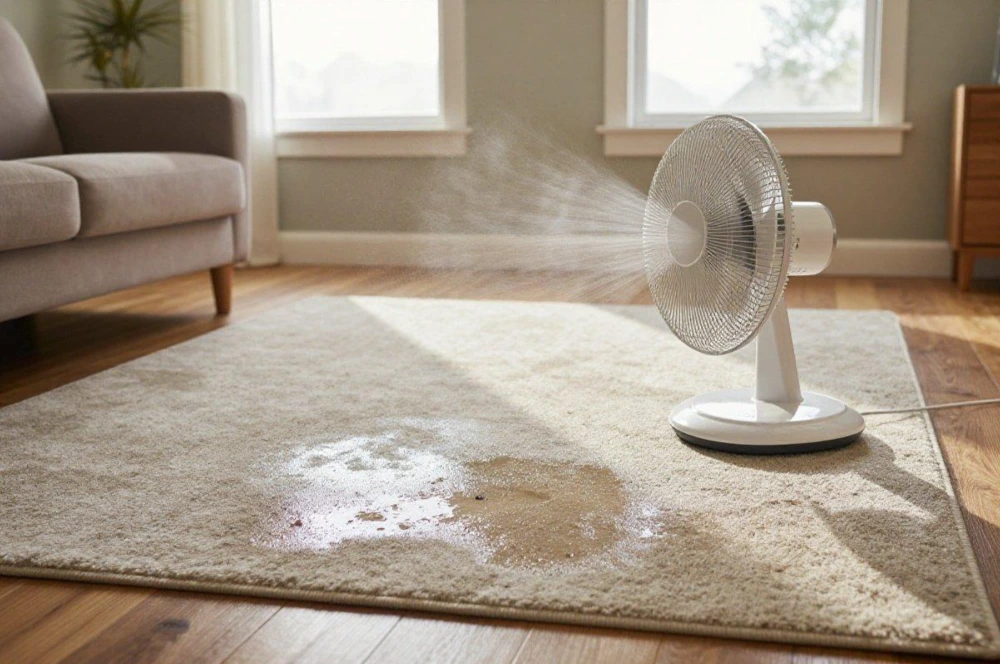
Carpet exposed to winter moisture needs appropriate drying conditions.
When safe and practical, improve indoor airflow and avoid leaving damp mats pressed against carpeted surfaces. A fan or suitable ventilation may help, depending on the situation.
If a carpet remains unusually wet, has a persistent damp smell, or may have moisture underneath it, professional assessment may be necessary.
Why it matters: Persistent moisture can affect carpet backing and underlying materials, not just the visible fibers.
7. Watch for Recurring Salt Marks and Stubborn Spots
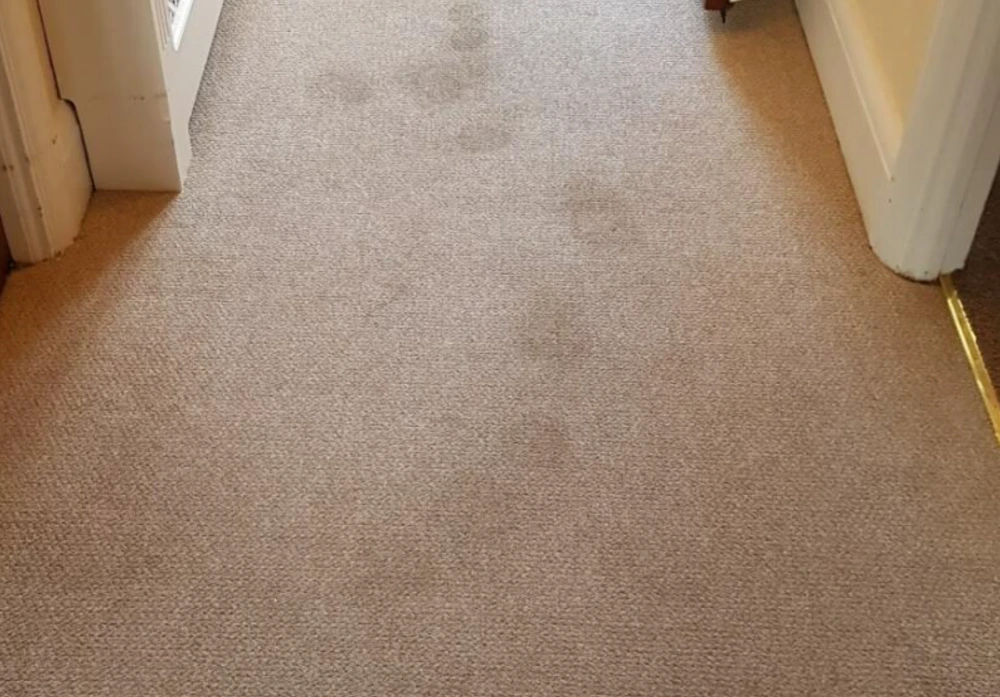
White residue, dark traffic marks, and recurring stains should not automatically be treated with the same cleaning product.
Before applying anything, consider the carpet material, likely source of the mark, and whether a product has already been used.
Avoid mixing household cleaners or applying strong chemicals without confirming their suitability.
Why it matters: Some marks involve removable residue, while others may be associated with discoloration or fiber wear. The correct approach depends on the actual problem.
What to Do When Snow, Salt or Mud Reaches Your Carpet
Even with good prevention, winter dirt sometimes gets past the entrance mats.
The safest first response depends on whether the problem involves loose debris, moisture, mud, or visible residue.
For Snow and Slush
Remove any loose snow that can be lifted without spreading it. Gently blot moisture using a clean towel, then support drying with appropriate airflow.
Avoid soaking the carpet with additional water.
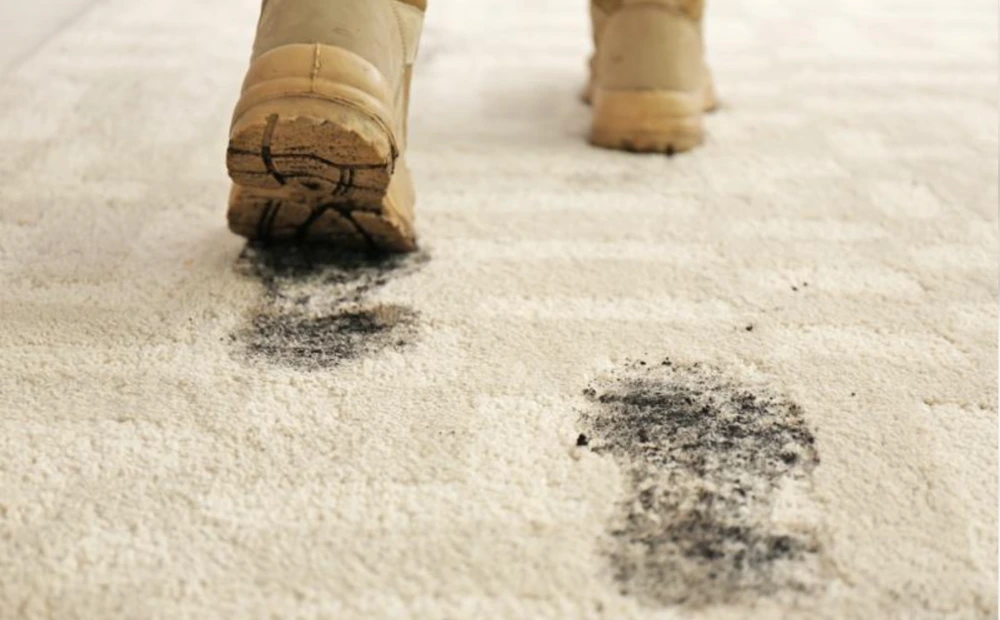
For Muddy Footprints
If the mud is wet, avoid scrubbing it into the fibers. Blot excess moisture where appropriate and allow remaining soil to dry before carefully vacuuming loose debris.
Persistent marks may need further assessment.
For White Salt Residue
Start by removing loose dry particles using a suitable vacuum. If residue remains, check the carpet manufacturer’s care guidance before attempting spot cleaning.
Avoid applying concentrated household cleaning products or repeatedly wetting the area.
For Older or Recurring Marks
A spot that keeps returning may involve remaining residue, previous cleaning products, or contamination below the visible surface.
If routine care does not resolve the problem, additional treatment may be appropriate.
When Winter Carpet Problems Need Professional Attention
Routine vacuuming, entry mats, and prompt moisture control can help manage many everyday winter carpet concerns.
However, some conditions may require more than normal maintenance.

Consider professional assessment when:
- White residue remains visible after appropriate routine care.
- Entrances or hallways have significant embedded soil.
- Stains repeatedly reappear after cleaning.
- Carpet stays damp longer than expected.
- A persistent odor develops around affected areas.
- Large carpeted sections need deeper attention
Professional cleaning methods should be selected according to carpet material, condition, soil level, and moisture considerations.
For broader home carpet concerns, explore our Residential Carpet Cleaning in Bismarck service.
If the main problem is a persistent visible mark, our Carpet Stain Removal page explains stain-specific treatment considerations.
A Simple Winter Carpet Maintenance Routine
A consistent routine can help reduce winter carpet problems without requiring complicated cleaning procedures. Focus on keeping entrances dry, removing tracked-in dirt, and checking frequently used carpeted areas throughout the colder months.
| Frequency | Recommended Action |
| Daily | Check entrance mats, remove wet footwear, and address visible moisture. |
| Several times a week | Vacuum frequently used carpeted entrances and walkways as needed. |
| After snow or muddy weather | Inspect carpets for tracked-in grit, slush, and visible residue. |
| As needed | Address fresh spots using carpet-compatible care methods. |
| Periodically | Check for persistent stains, unusual dampness, or embedded soil. |
Final Takeaway
Protecting your carpets during Bismarck winters starts at the entrance. Using suitable mats, keeping wet footwear off carpet, removing loose grit, and managing moisture promptly can help reduce winter dirt and buildup.
Pay extra attention to high-traffic areas and avoid aggressive cleaning methods when the cause of a stain is uncertain.
With consistent care and appropriate professional help when needed, homeowners can better manage snow, salt, mud, and everyday winter carpet problems.