Steam Carpet Cleaning in Bismarck
Hot Water Extraction, Explained
Steam cleaning is the everyday name for hot water extraction. A cleaning solution and hot water loosen the soil in your carpet, then the machine draws it back out with the water. It isn’t the right choice for every carpet, so this page explains how it works, when it suits, and what drying looks like.
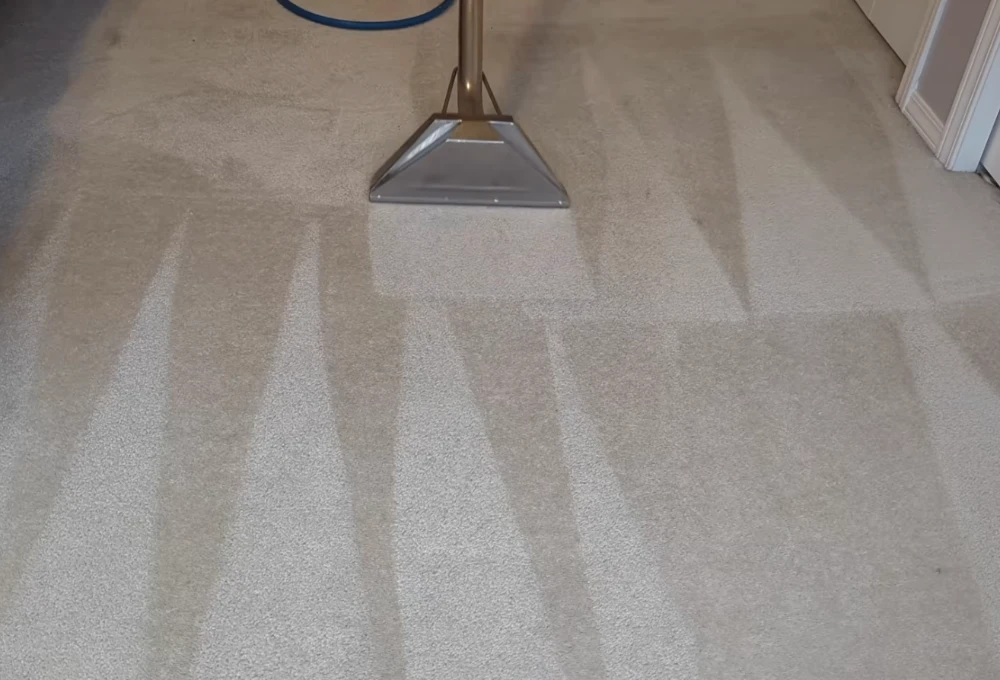
At a glance: this page explains how the method works, when it suits a carpet and when another approach may be better, how to get ready, and what to expect while it dries.
The Method, Step by Step
Here is what happens from the moment we look at your carpet to the moment the water is drawn back out. The exact steps can shift a little depending on the carpet in front of us.
We Check the Carpet First
We look at the fiber, how dirty the carpet is, and what has been used on it before. If we’re unsure how it will react, we try the method on a small hidden area first.
We Vacuum Out the Dry Soil
Loose grit and dirt are easiest to remove before any water is used, so we vacuum thoroughly first. That leaves the wet stage to deal with soil that is actually stuck in the fibers.
We Apply a Cleaning Solution
A solution goes on to loosen the soil before it is rinsed out, with extra attention on the dirtiest areas. We choose the solution and the amount to suit the carpet material. Individual marks can need their own treatment, which is covered on our carpet stain removal page.
Hot Water Extraction
Hot water is applied and drawn straight back out by the machine, carrying the loosened soil with it. We control how much water goes in so the carpet isn’t left wetter than it needs to be.
What happens afterward, including how long the carpet takes to dry, is covered in the drying and aftercare section below.
When Steam Cleaning Is a Good Fit
Hot water extraction works well for many carpets, but not for every situation. Here is when it usually makes sense, and when we look at the carpet more closely before deciding.
Soil That Vacuuming No Longer Lifts
Fine soil settles deep in the fibers over time, and regular vacuuming only reaches the top. When the carpet looks dull or feels gritty even after vacuuming, a deeper clean can lift what is left.
Busy Areas That Look Darker Than the Rest
Hallways, entrances, stairs, and offices collect more soil than quieter rooms. If those spots look noticeably darker than the carpet around them, they usually benefit most from deeper cleaning.
Spots and Residue Left Behind
Spills, tracked-in dirt, and leftover product can leave patchy marks. Hot water extraction rinses out much of this, though individual marks sometimes need their own treatment. See our carpet stain removal page for more.
When We Look More Closely First
Delicate or moisture-sensitive carpet, and carpet that has had water damage before, may not suit hot water extraction. We check the fiber and condition first, and tell you what we recommend before any work begins.
How to Prepare for Your Visit
A few minutes of preparation helps the visit run smoothly. Because hot water extraction uses moisture, here is what we suggest doing before we arrive.
Clear the Floor and Anything That Shouldn’t Get Damp
Move toys, boxes, baskets, and lightweight furniture out of the rooms being cleaned. Keep paper, electronics, and cardboard off the floor, and put fragile items somewhere safe.
Tell Us About Problem Spots and Past Treatments
Point out marks, smells, and darker traffic lanes, and tell us what has been used on the carpet before. Earlier products can react with a cleaning solution, so it helps us choose the right approach.
Confirm Access, Furniture, and Pets
Make sure we can reach every room and staircase on the list. Ask us when you book which furniture we move and which you should, and keep pets in another room while we work.
What to Expect While It Dries
Because the method uses water, your carpet will be damp when we finish. A little care over the first day helps it dry properly and keeps the results looking fresh.
What Affects Drying Time
Drying time isn’t the same for every carpet. Thicker pile and padding hold more water, humid or cold rooms dry more slowly, and good airflow speeds things up. How much water goes in matters too, which is why we control it during the clean. On the day, we’ll tell you what to expect for your space.
Keep the Air Moving
Turn on ceiling fans or point a fan across the carpet, keep your heating or cooling running, and open a window or door if the weather allows. Moving air carries moisture out of the room, and the carpet dries faster as a result.
How to Tell It’s Dry
Touch the carpet. It should feel the same temperature as the floor around it, not cool or damp. For a quick check, press a clean white towel on it for a few seconds. If the towel picks up any moisture, give it more time.
Go Easy Until It’s Dry
Stay off the damp carpet and keep pets away. If you have to cross it, wear clean socks rather than shoes. Wait until it feels dry before putting furniture back or vacuuming. If something has to go back sooner, place clean plastic or foil under its legs.
If a Mark Comes Back
A spot that looked gone can sometimes reappear as the carpet dries, because dirt from lower down is drawn up with the moisture. If that happens, note where it is and contact us, and we’ll advise on the next step. Please avoid putting another product on it. For persistent marks, see our spot treatment page.
If It Stays Damp Too Long
If the carpet still feels damp well beyond what we told you to expect, or you notice a musty smell, contact us. Carpet that stays wet for too long can develop odors, so it is better to check than to wait.
Questions About the Method
Short answers to what people most often ask. If you’re unsure about your own carpet, ask us when you request a quote.
Is steam cleaning the same as hot water extraction?
In everyday use, yes. Steam cleaning is the common name, but the method uses hot water rather than true steam. Hot water and a cleaning solution loosen the soil, and the machine draws it back out. You can read the full step-by-step in the how it works section.
Is it suitable for every carpet?
No. The right method depends on the carpet’s fiber, how dirty it is, and what has been used on it before, and some delicate carpets suit a gentler approach. That’s why we check the carpet first. The suitability section explains what makes a carpet a good fit.
Does it make the carpet too wet?
The method uses water, so the carpet will be damp afterward, but it shouldn’t be soaked. We control how much water goes in and draw it back out with the machine, which helps the carpet dry properly. We also check the carpet first, because some carpets and the padding beneath them are more sensitive to moisture than others.
How long will it take to dry?
It depends on how thick the carpet and padding are, how warm and humid the room is, and how much air is moving, so there isn’t one time that fits every carpet. We’ll tell you what to expect for your space on the day. Fans and an open window help, and the drying section explains how to tell when it’s dry.
Can I walk on the carpet or put furniture back right away?
Try to stay off it until it feels dry, and keep pets and children away too. If you have to cross it, clean socks are better than shoes. Wait until it’s dry before putting furniture back or vacuuming. There are more tips in the drying section.
Will it remove all stains?
Not always. Many marks improve a lot, but results depend on what caused the mark, how long it has been there, and what has been used on it. No method can promise that every stain will disappear. Individual marks sometimes need their own treatment, which is covered on our carpet stain removal page.
Can I ask what cleaning solution you use?
Yes, please do. We choose the solution to suit the carpet material, and if you have children, pets, or sensitivities, ask us about it before the visit so you can decide with the facts.
Can rugs and upholstery be cleaned the same way?
Sometimes, but it depends on the material. Some rugs and upholstered pieces suit a different method, so each has its own page: area rug cleaning and upholstery cleaning.
Not Sure It Suits Your Carpet?
Tell us about your carpet and the areas you have in mind. We’ll let you know whether this method fits or whether another approach would suit it better, and give you a free quote.