
Upholstery Cleaning in Bismarck, ND
Cleaned to Suit the Fabric
Fabric furniture collects dust, body oils, and everyday soil over time. A professional clean lifts them out of sofas, chairs, and other upholstered pieces. The method depends on the fabric, so we check what yours is made of and read its care label before we start, because some fabrics take water well and others need a gentler approach.
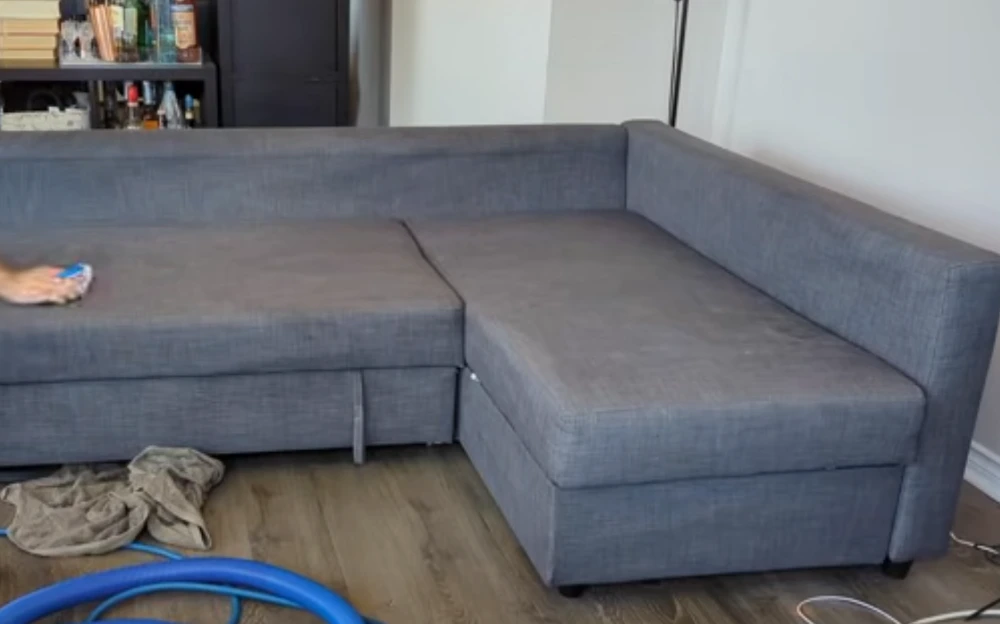
At a glance: this page explains what furniture care labels mean, how to prepare your furniture, what happens on the day, how to look after it while it dries, and answers to common questions.
What Do Furniture Care Labels Mean?
A care label is a small tag, usually found under a seat cushion or on the frame, that says which cleaning methods are safe for the fabric. It uses a letter code, and that code decides what we can use on your piece.
W: Water-Based Cleaning
W means a water-based cleaning method is safe for the fabric. That includes hot water extraction, which you can read about in how the hot water method works.
S and WS: Solvent, or Either
S means use a solvent-based cleaner only, because water can leave marks or damage the fabric. WS means either a water-based cleaner or a solvent is safe, so we can choose whichever suits the piece.
X: Vacuum or Light Brushing Only
X means the fabric should not be cleaned with water or solvent. What can be done is limited to vacuuming and light brushing, and we’ll tell you that up front rather than risk damaging the piece.
No Label, or Not Sure?
Labels wear off or go missing. If yours has, we identify the fabric and test a small hidden area to see how the dye and fibers respond, then choose the gentlest method that will work.
What Different Furniture Needs
Upholstery collects body oils, crumbs, dust, and pet hair, mostly where people sit and lean. How we clean it depends on the fabric and the manufacturer’s care tag, so we check both first.
Sofas & Sectionals
Seat cushions, armrests, and backs take the most contact, so body oils and dust build up there first. Cushion covers are not always removable or washable, so we check before assuming they can come off.
Dining & Accent Chairs
Seats and front edges collect food spots, drink marks, and dust. Woven and textured fabrics hold on to crumbs, so a thorough vacuum comes before any wet cleaning.
Office Chairs & Recliners
Headrests, armrests, and seat fronts see constant contact and show buildup fastest. Heavily used seating often looks darker in those spots than in the rest of the fabric.
Pet-Used Furniture
Pet hair and dander settle deep into fabric, and we treat pet-related spots separately from general soil. For accidents and lingering smells, see our pet stain and odor removal page.
Check the Care Tag Before Anything Else
Most upholstered furniture has a manufacturer’s tag, usually under a seat cushion or along the frame. The code on it tells you what cleaning the fabric can take.
| Code | What it means |
|---|---|
| W | Water-based cleaning products are safe to use. |
| S | Solvent-based (dry cleaning) products only. No water. |
| WS | Either water-based or solvent-based products can be used. |
| X | Vacuum or light brushing only. No water or solvent. |
If your tag says S or X, tell us before we start. Those fabrics may not suit water-based cleaning, and we will advise you on what is suitable.
How to Prepare Your Furniture
To get ready, clear loose items off the furniture, find the care tag, and point out any spots. A few minutes of preparation lets us spend our time where it matters most.
Clear Loose Items and Find the Care Tag
Take blankets, pillows, toys, and décor off the furniture. Then look for the care tag, usually under a seat cushion or along the frame, and note the code or take a photo of it.
Point Out Spots and Past Treatments
Show us food spots, drink marks, pet-related areas, and darker patches on armrests or headrests. If a spill is fresh, blot it rather than rubbing, and hold off on household cleaners, since they can leave residue. Tell us what has already been used.
Ask About Moving and Access
Make sure we can reach each piece easily, and keep pets in another room while we work. When you book, ask what we move or handle and what you should do yourself, so there are no surprises on the day.
What to Tell Us When You Request a Quote
A few details help us give you a clearer quote:
- Which pieces need cleaning (sofa, sectional, chairs, recliners) and how many
- The fabric type or the care tag code, if you can find it
- Any spots, pet-related areas, or heavily used sections
- Anything already used on the fabric, such as a stain remover
What Happens During a Furniture Cleaning Visit?
A visit has three parts: we check the fabric and its care label, we clean it with a method suited to that fabric, and we go over drying and aftercare with you before we leave.
We Check the Fabric and Its Label
Before anything is cleaned, we read the care label and look at the fabric, the cushions, and how worn the piece is. If we’re unsure how the fabric will react, we test a small hidden area first. You can see what the label codes mean in the care labels section.
We Clean It the Way the Fabric Calls For
We vacuum away loose dust and crumbs first, then clean with the method the label allows, using no more moisture than the fabric needs. Seats and armrests, where soil builds up most, get extra attention.
We Go Over Aftercare Before We Leave
We explain how the furniture should dry and when you can use it again. The full details are in the aftercare section below.
How We Clean Upholstery
We clean furniture in four steps: inspect the fabric, vacuum the dry soil, treat spots one by one, then clean with a method that suits the fabric. The care tag decides what is safe, so we read it first.
We Inspect the Fabric and the Furniture
We check the fabric type, construction, cushioning, and wear, and read the manufacturer’s care tag. The tag code tells us whether water-based products are safe, so it shapes the method before we do anything else.
We Vacuum Loose Dust and Debris
We vacuum crumbs, pet hair, and dust from cushions, seams, and armrests first. Dry soil is much easier to remove before any moisture is used.
We Treat Spots One by One
Food spills, drink marks, body oils, and pet-related spots each need their own approach. We choose a pre-treatment based on the fabric, the type of spot, and anything already used on it.
We Clean and Explain the Drying
We pick a method that suits the fabric’s care requirements, with extra care around delicate fabric and cushioning. Drying time depends on the fabric, cushion thickness, airflow, and humidity, and we explain how to care for the furniture afterward.
What to expect: cleaning lifts soil and improves many spots. Set-in stains, worn fabric, and dye transfer can remain, and some delicate fabrics may need a gentler approach.
After Cleaning: Drying & Upholstery Care
After cleaning, upholstered furniture may need time to dry before normal use resumes. Drying can vary depending on the fabric, cushion thickness, airflow, humidity, and the cleaning approach used, so follow the guidance provided after the service.
Allow the Fabric to Dry Properly
Keep the furniture in conditions that support drying and follow any instructions provided after cleaning. Avoid assuming one fixed drying time because different fabrics, cushion materials, and furniture constructions can dry at different rates.
Limit Use While the Upholstery Is Damp
Where practical, avoid sitting on or heavily using the furniture while the fabric is still damp. This is especially useful for frequently used sofas, chairs, recliners, and family-room seating.
Return Cushions and Items Carefully
Cushions, throws, pillows, or nearby items should only be returned when the fabric and cleaning conditions allow it. Follow the service provider’s guidance rather than placing everything back immediately.
Check Treated Areas After Drying
Once the upholstery has dried, review any spots or sections that received extra attention. If a mark becomes visible again, contact the service provider for guidance instead of applying another product without knowing how it may interact with the fabric or previous treatment.
Upholstery Cleaning FAQs
Get answers to common questions about furniture cleaning, fabrics, stains, drying, preparation, and after-care.
How often should upholstered furniture be professionally cleaned?
Cleaning frequency depends on how often the furniture is used, the fabric and condition, whether pets use the area, and how much everyday soil, spills, or body-oil buildup develops. Frequently used sofas and chairs may need attention more often than lightly used furniture.
Can all upholstery fabrics be cleaned the same way?
No. Upholstery can differ in fabric type, weave, backing, cushioning, construction, and overall condition. These differences should be considered before deciding how a particular piece of furniture should be cleaned.
Can professional upholstery cleaning remove stains?
Some spots may improve with an appropriate treatment, but results can depend on the type of stain, how long it has been present, products previously used, the fabric, and the condition of the furniture. Complete stain removal cannot be assumed in every situation.
What should I do before my upholstery cleaning appointment?
Clear blankets, toys, décor, and other loose items where practical. Point out visible stains, worn areas, or sections with heavier buildup, and mention any fabric cleaner, stain remover, deodorizer, or other product that has already been used.
How long does upholstery take to dry after cleaning?
Drying time can vary depending on the fabric, cushion thickness, furniture construction, airflow, humidity, and the cleaning approach used. Follow the after-care guidance provided rather than assuming one fixed drying time.
Should I use the furniture while the fabric is still damp?
Where practical, unnecessary use should be limited while the upholstery is still damp. Follow the guidance provided after cleaning before returning sofas, chairs, recliners, or other seating to normal use.
Can pet-related spots and odors be treated on sofas and chairs?
Pet-related areas can be identified and assessed before cleaning. The appropriate approach can depend on the fabric, furniture condition, the affected area, and the nature of the residue or odor. Complete stain or odor removal should not be assumed in every case.
Do you provide upholstery cleaning in Bismarck, ND?
Upholstery cleaning service information and quote options are available for homes and businesses serving in Bismarck, North Dakota. You can request a quote to discuss the furniture and the areas that need attention.
Request a Quote for Your Upholstery
Have a sofa, chair, sectional, or other upholstered furniture with spills, body-oil buildup, pet-related spots, or everyday soil? Tell us about the furniture and the areas that need attention, and request a quote for service in Bismarck, ND.
Serving homes and businesses in Bismarck, ND.